
Are You Prepared for a Freeze?
On Christmas Eve and for several days afterwards in 2022, Georgia experienced a deep freeze that wreaked havoc on the community. Pipes in homes burst. Commercial sprinkler systems burst. A LOT of water damage resulted from this event. There are predictions being made that the end of December 2025 is going to see a similar weather event. It's a smart move to prepare ahead of time! A polar vortex brings extremely low temperatures and high winds, which pose significant risks to your home, especially to your plumbing and heating systems.
Here is a comprehensive checklist to help prepare your home for the impending cold snap:
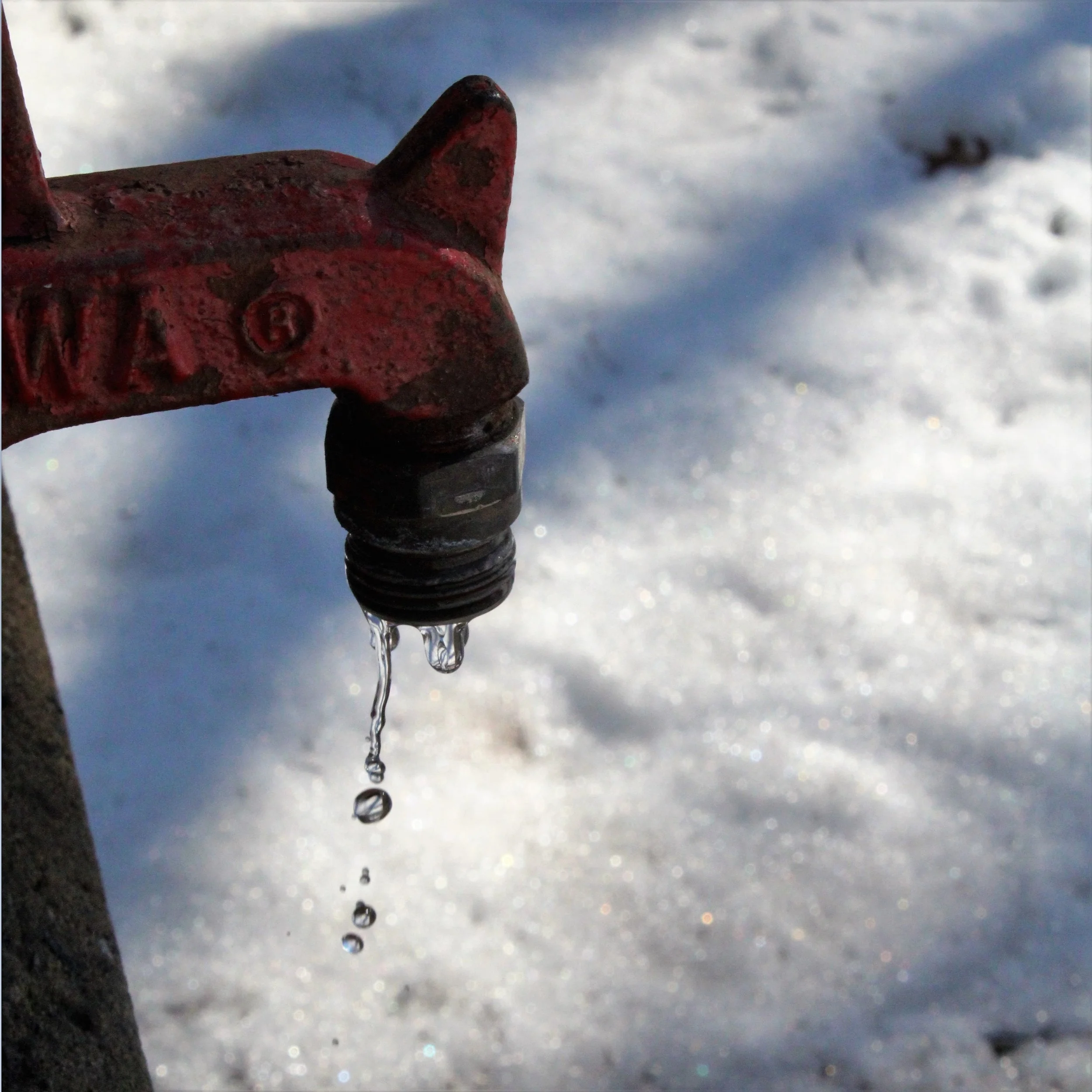
Image by Joe Zlomek on Unsplash
On Christmas Eve and for several days afterwards in 2022, Georgia experienced a deep freeze that wreaked havoc on the community. Pipes in homes burst. Commercial sprinkler systems burst. A LOT of water damage resulted from this event. There are predictions being made that the end of December 2025 is going to see a similar weather event. It's a smart move to prepare ahead of time! A polar vortex brings extremely low temperatures and high winds, which pose significant risks to your home, especially to your plumbing and heating systems.
Here is a comprehensive checklist to help prepare your home for the impending cold snap:
1. Protect your pipes from freezing! This is the most critical step to protect your home from burst pipes.
Wrap any exposed water pipes in unheated areas like basements, crawl spaces, attics, and garages, especially along exterior walls. Use either foam pipe insulators or heat tape that can be found at your local home improvement stores.
Disconnect all outdoor garden hoses and drain the outdoor spigots. Turn off the water supply to these exterior faucets using their interior shut-off valve, then leave the outdoor spigot open to allow any remaining water to drain out. Wrap the exterior spigots with either a towel or a spigot cover that can be found at local home improvement stores to protect them from freezing winds damaging the valves or cracking the pipe between the spigot and the exterior wall of the home.
For sinks, especially those on exterior walls, open the cabinet doors underneath them to allow warmer indoor air to circulate around the pipes. When temperatures reach freezing outside, allow a slow, constant drip of cold water from a few faucets, especially those farthest from your main water supply. If you are experiencing especially cold weather, allow a stream about the size of a pencil lead to flow instead of a drip. Moving water is less likely to freeze. This is especially important at night when people are not using water to flush toilets or wash anything, so the water is not flowing as much through the pipes.
Never let your indoor temperature drop too low. Set your thermostat to at least 65 degrees, even if you leave the house. While you may not need to keep people warm, you still need the interior to maintain heat to prevent the wall cavities from dropping too low resulting in frozen pipes.
Know exactly where your main water shut-off valve is. We say this a lot because it is extremely important when an emergency occurs. In case a pipe bursts, you must be able to turn off the water immediately to minimize damage.
2. Insulate your home to keep heat inside and improve airflow throughout the home.
Inspect all windows and doors for drafts. Use weather stripping or caulking to seal any gaps and cracks. Use towels or rags to seal the bottoms of doors, especially rooms that are not being used to keep heat in the desired areas. Apply a door sweep or door shoe to exterior doors that will seal against the threshold to block drafts from outside.
Have your furnace or HVAC system checked to be sure it is functioning efficiently. Replace your air filter if it's dirty. It will be difficult to impossible to get service during a freeze so before it comes is the time to make sure it is in good working order.
Set your ceiling fans to run in the clockwise direction on a low speed to push warm air by the ceiling back down into the room.
If you plan to use a fireplace, make sure the chimney is clean and functional for fire safety during use. Keep the damper closed when not in use to prevent warm air from escaping.
If you use a space heater, keep it at least 3 feet away from anything flammable such as curtains, bedding or furniture. This is also true for anything that has a flame such as candles. Plug the space heater directly into an outlet instead of an extension cord or a power strip. Turn it off when you leave the room or go to sleep, in other words whenever no one is monitoring it. Never use a gas oven or range for heat as this can lead to a buildup of carbon monoxide in the home.
3. Prepare the exterior of your home or business.
Clean out any leaves or debris from your gutters and downspouts. While ice dams are rare in Georgia, any water that is trapped in your gutters by this debris will freeze and potentially cause damage to the gutters that can lead to leaks later on that may damage your roof.
Remove any dead or damaged tree branches that could break under the weight of ice or snow and fall onto your roof or property. Again, Georgia does not experience a lot of snow, but we do see ice enough to shut down entire communities. When that happens, a lot of damage comes from fallen trees and branches.
Make sure exterior vents, such as your dryer and furnace vents, and any outdoor HVAC units are clear of snow and ice. If your dryer is not in use, consider temporarily plugging the vent to keep interior heat from escaping through this vent.
Have rock salt, sand, or an ice melt product ready for walkways and driveways.
4. Stock emergency supplies for use if there is a power outage or ice makes travel difficult.
Stock up on non-perishable food that doesn't require cooking, and store at least one gallon of bottled water per person per day for drinking and cooking (if you have a generator to power a microwave, oven or electric stove or have a gas stove). You can store additional water for washing by plugging sinks and tubs then filling them with water, but do not use this water for drinking or cooking.
Have flashlights, battery-powered lanterns, and extra batteries ready. Keep extra blankets and warm clothing accessible. Keep your first-aid kit and any necessary prescription medications fully stocked in case you can’t get out, and help has trouble getting to you.
If you have a generator, test it and have fuel ready. Never run a generator indoors or in an attached garage due to carbon monoxide risks. Only plug in essential devices to keep from overloading the generator.
Taking these steps will significantly reduce the risk of damage to your home and keep your family safe and warm during freezing temperatures. In the unfortunate event that the unthinkable does occur, contact the experts at ServiceMaster of Gwinnett and ServiceMaster 5 Points. Available 24/7/365 call us at (770) 962-0110 or (706) 543-3333, we can help guide you from crisis to resolution as quickly as possible.

Cleaning Up After a Sick Pet
According to American Pet Products Association (APPA), approximately 71% of all households in the US have pets living in the home. According to Pew Research Center, approximately 72% of those pet-owning households have at least one dog and/or cat. With that many dogs and cats in US households, there are bound to be accidents when a pet gets sick. Cleaning up after a sick pet requires a methodical approach to ensure the safety of both humans and other animals in the home. You cannot simply clean up the mess; you must also disinfect the affected area. Cleaning removes dirt and some of the germs, but disinfecting kills the remaining germs to help prevent spread.

Photo by Matthew Henry on Unsplash
According to American Pet Products Association (APPA), approximately 71% of all households in the US have pets living in the home. According to Pew Research Center, approximately 72% of those pet-owning households have at least one dog and/or cat. With that many dogs and cats in US households, there are bound to be accidents when a pet gets sick. Cleaning up after a sick pet requires a methodical approach to ensure the safety of both humans and other animals in the home. You cannot simply clean up the mess; you must also disinfect the affected area. Cleaning removes dirt and some of the germs, but disinfecting kills the remaining germs to help prevent spread.
The first consideration is to be safe. Always wear disposable or rubber gloves when handling pet waste. This protects you from coming into direct contact with harmful pathogens. Keep pets and people away from the affected area until the whole cleaning and disinfecting process is complete and isolate your sick pet until it is better. Ideally, isolate the pet in an area that will be easy to clean while it is being kept there and easy to disinfect once the pet can leave. Make sure the contaminated area is well-ventilated, especially when using strong chemical disinfectants. Always follow the instructions on cleaning products and never mix different chemicals, which can produce toxic gases.
Once the area has been secured, the cleaning process can begin. The first and most critical step for cleaning is to physically remove as much of the vomit, feces, or other bodily fluids as possible. Use disposable materials like paper towels or a plastic dustpan to scoop up the mess. For solid waste, flush it down the toilet. For soft waste, use paper towels to absorb excess liquid. Place all materials that are not safe to flush down the toilet in a trash bag that can be tied off and removed from the home as soon as the contaminated materials are removed.
After removing the bulk of the mess, wash the area thoroughly with hot water and detergent or soap. This is necessary to remove the remaining organic matter which makes the area ready for the disinfecting step. This step is crucial because disinfectants are less effective on surfaces with visible dirt or organic matter.
The disinfecting step is where you kill the remaining germs. A common and effective household disinfectant is a diluted bleach solution which is 1/2 cup of bleach per gallon of water. There are other commercial disinfectants that also will be effective if used properly. Do NOT use bleach on carpet or upholstery! For disinfecting hard, non-porous surfaces like tile, linoleum and LVP/LVT, wipe the area down with the bleach solution. This is also good for anything else that is non-porous and was contaminated such as plastic or metal items. For softer, porous materials, such as carpets, upholstered furniture, and other soft items, steam cleaning can be highly effective if it is safe to use heat on those materials. When using a disinfectant, test a small, inconspicuous area first to ensure it won't damage the material. For some serious and/or persistent illnesses, like parvovirus, it may be safest to discard heavily soiled soft items like bedding.
For the disinfectant to be effective, it needs to remain on the surface for a specific amount of time. Check the product label for the recommended "contact time". Bleach solutions are typically at least 10 minutes, but all bottles including bleach have the recommended times on the labels. Everyone, humans and animals, should be out of this area while the chemicals are doing their work. After the disinfectant has done its job, rinse the area thoroughly with water to remove any chemical residue. Let the area air dry completely before allowing your pets or other family members back into the space.
While the area is drying after being cleaned, you can take the time to address the other pet items that may have been involved. For non-porous items like ceramic or metal bowls and hard plastic toys, wash them with soap and hot water. To disinfect these items, they can be soaked in a diluted bleach solution and thoroughly rinsed and dried before use. You can also run these items through a dishwasher at high temperature or use the sanitizing setting if your dishwasher has one. Porous items like blankets and beds can be washed in the clothes washing machine after you remove as much contaminant as possible. Use hot water and laundry detergent. To disinfect, you can add bleach (if the fabric allows) or run them through a hot dryer cycle for at least 30 minutes. After washing a load of contaminated material, wipe out the drum then use the cleaning cycle of the washing machine before you wash any of your regular laundry in that machine. Most cleaning cycles use bleach, so they help sanitize the drum before exposing other materials to the contaminants that were removed in the last wash. If the soft, porous materials are heavily soiled, consider throwing them away.
Some best practices when you are working with pet waste of any kind include handwashing, monitoring your pet, and cleaning the yard of any pet waste. Always wash your hands thoroughly with soap and water after handling your sick pet or cleaning up after any biological contaminants deposited on surfaces in your home. Monitor your pet for signs of illness and follow your veterinarian's advice. Some illnesses, like parvovirus, can be shed for days or weeks after symptoms have resolved, so continued vigilance is important. For outdoor areas like lawns or gardens, remove all visible waste. This helps prevent your pet from being infected with worms, bacteria or a virus from either a sick pet in your home or some other animal that used your yard as their litter box. When cleaning your home, remember that sunlight and air drying can help, but for particularly contagious viruses, a pet-safe disinfectant might be necessary. Be aware that some products, including bleach, can kill plants.
For deeper cleaning of your flooring and furniture, remove as much pet waste as possible then have ServiceMaster of Gwinnett or ServiceMaster 5 Points clean. Our specialized equipment and cleaners will help kill and remove harmful pathogens more effectively than household cleaners. Since cleaning removes pet hair and dander as well as contaminants, it helps reduce allergens in the home and improves your air quality. Not only will our cleaning remove the stain but it will also address any related pet odor. Our extraction process removes pet mess that was absorbed deeper than a rented steam cleaner can reach which helps protect the carpet fibers and upholstery fabric, extending the life of your flooring and furniture. Most importantly, you will have peace of mind knowing that the correct cleaning method was used to protect the various materials while removing potentially harmful contaminants.

Lessons Homeowners Learned from Hurricane Helene
Hurricane Helene came through the southeast one year ago and wreaked havoc that is still being restored today. Hurricane Helene provided a sobering set of lessons for homeowners, emphasizing the need to be self-sufficient for an extended period and to re-evaluate financial preparedness, especially in areas not traditionally considered high-risk. Read on for key takeaways for home preparedness.

Hurricane Helene came through the southeast one year ago and wreaked havoc that is still being restored today. Hurricane Helene provided a sobering set of lessons for homeowners, emphasizing the need to be self-sufficient for an extended period and to re-evaluate financial preparedness, especially in areas not traditionally considered high-risk. Here are the key takeaways for home preparedness.
The storm demonstrated that waiting for outside help (first responders, aid, supply trucks) is not a viable initial strategy, especially with the widespread and simultaneous failure of critical infrastructure. You need to prepare your home to sustain everyone living there until it is reasonable for help to arrive. This could be several days, and it was even weeks for some communities hit by Hurricane Helene. Be prepared to live without power, running water, and reliable communication for much longer than the traditional 72 hours - think seven to twenty-one days.
The loss of municipal water systems (not just contaminated, but completely non-functional) was a major issue. Homeowners need to have significant water stores for drinking, cooking, and sanitation. A great preparation for sanitation is to fill all the bathtubs and sinks before the storm. While it may not be potable water, it can be used for washing hands and dishes and can be used for washcloth baths until a clean supply of water can be restored. This water can also be used for refilling toilet tanks as needed if your sewage system is still able to function. If the toilet does not flush easily, do not keep trying to force it down. An overloaded sewage system may come back to haunt you when you need it the least!
A generator is critical, but the lack of fuel in the storm's aftermath was an equally major problem. Store extra fuel for your generator and consider a dual fuel (gas/propane) generator to diversify your energy source. Since you will not know how long your home may be without power, use the generator only for critical functions such as powering the refrigerator. Lighting can be managed by battery powered lights, or go old-school by going to bed when it gets dark, keeping power usage to a minimum. If you have any cellular service, keeping your phones charged is critical. They are a way to communicate with the outside world until you can leave your home safely. Do not use them to play games or listen to music. Phone usage should be kept to communication only to conserve battery life. Use a battery powered radio to get updates from authorities on conditions in your area. If possible, use a NOAA-recommended emergency weather radio to stay up to date on weather conditions, evacuation notifications and timelines for severe storms.
With widespread power loss, banks, ATMs, and credit/debit systems failed. Store a substantial amount of cash at home, as it becomes the only viable form of commerce. Of course, for safety reasons, do not make that common knowledge and store it in a safe out of the way place.
The inability to rely on grocery stores for days or even weeks required changes to food planning. If you know a severe storm is coming, cook and freeze meals that will be easy to defrost and prepare for consumption. Also, cook and freeze any perishable items already in your refrigerator so they can be thawed and used over a longer period of time than raw food waiting to be cooked. This prevents waste and provides ready food that can be eaten cold if a generator fails or runs out of fuel. With the loss of water systems, food that requires water for rehydration, like freeze-dried camping meals, becomes nearly worthless. Stock non-perishable food that can be eaten without cooking or water such as canned goods and emergency bars. Have a reliable camp stove or outdoor grill with extra fuel, in order to cook when the power is out. While those frozen meals may be safe to eat cold, they probably taste better warm. Before cooking with anything from the freezer, use any raw foods still in the refrigerator or your pantry because those will expire first. Using them before they can go bad will extend the food supply in the home in case you need to wait longer than expected for access to an outside food source.
The financial fallout was often more devastating than the physical damage, particularly in inland communities. In one of the most significant lessons, many people who were heavily impacted lived outside of FEMA's high-risk flood zones and did not have flood insurance. This is normal since flooding is not common for every home, but homeowners need to know that standard homeowner's insurance does not cover flooding. Given the possibility of extreme rainfall events, every homeowner should consider purchasing flood insurance, regardless of whether their mortgage requires it. We are getting more calls each year from customers who have had their ground level or basement flood for the first time. FEMA does have a map that indicates flood zones for every area, so you can see whether your home is in a potential flood zone. Since weather patterns are changing, these maps are changing too, so check again if you have not looked at your area recently. Even if you do not live in a flood zone, if you live at the bottom of a hill that is taller than your home, live on a very flat plain or near a river or creek that may overflow its banks, flood insurance may be a cheaper option than having a flood event without protection. It is worth a conversation with your insurance agent to know what the cost may be so you can make an educated decision. Before the storm, take a video or photos of your home's contents and condition for insurance claims. Keep copies of vital documents including passports, insurance policies, and medical records in a waterproof "Go Bag" or secure digital copies in the cloud, in case of a mandatory evacuation.
Perhaps the most important lesson learned was a psychological one. Don't assume you are safe because you live inland or "it has never flooded here." Extreme storms are always possible, and you should plan for damage far worse than your community has historically experienced. Be ready to leave quickly if local authorities issue an evacuation order, especially if you are in a low-lying or flood-prone area. Losing possessions is better than losing a life.
Once the floodwaters recede, make sure everyone is safe then call ServiceMaster of Gwinnett or ServiceMaster 5 Points for your water damage mitigation. Prompt extraction and drying will minimize the amount of damage to your home. We will help you get your property dried out safely and work with your insurance company, leaving you free to take care of yourself and your family.

Emergency Preparedness Starts at Home
The theme for National Preparedness Month 2025 is Preparedness Starts at Home. Is your home prepared? FEMA’s Ready Campaign recommends four key steps to preparedness:
1. Know your risk.
2. Make a family emergency plan.
3. Build an emergency supply kit.
4. Get involved in your community by taking action to prepare for emergencies.

The theme for National Preparedness Month is Preparedness Starts at Home. Is your home prepared? FEMA’s Ready Campaign (https://www.ready.gov/september) recommends four key steps to preparedness:
1. Know your risk.
2. Make a family emergency plan.
3. Build an emergency supply kit.
4. Get involved in your community by taking action to prepare for emergencies.
Knowing your risk means identifying your home’s potential hazards. Know what natural disasters can and do occur where you live such as floods, tornadoes, hurricanes, wildfires, earthquakes or droughts. You can research this by talking to long-term residents of your area or checking the historical records and news articles. That will help you get a feel for regular risks as opposed to storm-of-the-century type events. Also check your home for hazards that may be a risk for a single home instead of an entire community, such as electrical issues or gas leaks leading to a risk of fire, or plumbing issues that may lead to water damage. There are several articles in this blog section of our website that address checking your home for these types of risk to your home. Once you have identified your risks, you can start building a plan to mitigate those risks.
The next step is to build an emergency plan, so everyone knows what to do when disaster strikes. The biggest part of this plan should involve communication. First, have a family discussion about potential hazards in your area. Make sure everyone understands what can happen and what is the likelihood of each of those risks actually happening. Be sure that they understand how to reconnect if you are not all together when a disaster event happens. Have an emergency contact list which includes phone numbers for all people that need to be informed when you experience a disaster, natural or otherwise. This should include all family members living in the home, at least one family member who lives elsewhere and who can be a main point of contact since he or she will not be affected directly, work and school contacts, your insurance carrier and emergency services. When possible, be sure to include alternative contact methods in case phone lines are overloaded or down. While all these contacts should be programmed into cell phones, you should have each family member carry a paper copy of this list in a wallet, backpack or emergency kit so the list is still available if the cell phone is unavailable. Have two designated meeting places. One should be near your home where everyone can go quickly after a smaller evacuation event like a house fire. The other should be outside your neighborhood for larger events that require a portion of the community to evacuate. Make sure everyone knows how to get to each of these locations and when it is appropriate to go to each one. Since there is a chance of separation in the chaos of a disaster, this is a very important tool for EACH family member to know. Everyone should also know what to do if you must shelter in place. Know where the safest room in your home is for each type of disaster that may be a risk for your home. For example, for a tornado, you want to be in the interior of the home away from windows, but for flooding, you want to be on the highest level that is safe to shelter until help arrives. Show everyone how and when to turn off the water, gas and electricity. Practice fire drills for every room and try to have at least two ways out in case one becomes blocked. Be sure your evacuation plans include any special needs for family members that are disabled or elderly, and don’t forget to plan for your pets. Include any medications, a list of doctors and caregivers, a list of special medical needs that emergency personnel may need to know about a family member who is unable to speak to them for any reason. For pets, include id tags, carriers, bowls for food and drink and any medications they need. Plans are only effective if they are maintained. Practice drills regularly to keep what to do fresh in everyone’s mind. Check your emergency kit twice per year to replace expired or used items, especially food, water and medications. As everyone changes through life, make sure your plan is still relevant. This includes updating phone numbers and family member roles in executing the plan
Step three is building an emergency supply kit. This kit should have enough basic necessities to last a few days. Plan for one gallon of water per person per day. Pack extra water if you have pets, but the amount will vary depending on the size and quantity of pets. Pack enough food to feed all the people with you for several days using only non-perishable food that does not require any cooking. Also pack several days of pet food. This should be a dry kibble because it can be packed in bulk with less waste, less odor and less dishwashing needed in the event supplies are limited. Have a first aid kit that includes bandages, antiseptic wipes, pain relievers and any medications that family members must have. Pack a flashlight with extra batteries, a radio (also with extra batteries unless it is a hand-crank model), a manual can opener if food items require it, and a basic tool kit. Have copies of key documents (insurance policies, birth certificates, etc.) packed in a waterproof container that can be carried with you. Keep a small amount of cash on you in case of emergency where credit cards may not be an option.
Step four includes getting prepared to support your community and network so you can depend on them to help you. Take the time to learn how to help and invite your neighbors to do the same. Take or host a first aid and CPR class. Contact the American Red Cross to find where your local emergency shelters are located. They are always looking to train volunteers to help. Know what local and state emergency agencies are involved in assisting natural disasters that may occur in your area and how to contact them in an emergency. Know how your community communicates emergency alerts. Learn designated evacuation routes in the event you must abandon your neighborhood. Share this information with your neighbors. It also helps you to know who your neighbors are and how to contact them. A good way to do this is to create a neighborhood group on your preferred social media. Facebook groups for example are very easy to set up and manage. You can make them private or public and manage membership based on the group’s needs and preferences. You may have to depend on these people sometime, so it is a good idea to get to know them now.
When you can safely return to your home, call ServiceMaster of Gwinnett or ServiceMaster 5 Points for your disaster restoration. ServiceMaster of Gwinnett and ServiceMaster 5 Points provide a variety of disaster restoration services including water damage, fire & smoke damage and mold damage to your home, business and possessions. We work with all major insurance companies as well as working directly with the home or business owner. ServiceMaster of Gwinnett & ServiceMaster 5 Points are IICRC Certified, which is your assurance that our technicians are properly trained to handle the most serious disaster restoration projects. Our services are based on insurance guidelines and industry standards, so you know you are in good hands when you call us to help with your disaster.

Safety Practices for Disaster Restoration
Fire and water damage restoration can be hazardous, and prioritizing safety is crucial. When you experience a disaster in your home, be sure you are using these key safety practices.

Fire and water damage restoration can be hazardous, and prioritizing safety is crucial. When you experience a disaster in your home, be sure you are using these key safety practices.
General safety practices that should be used for ANY disaster restoration are first. Before entering a structure damaged by fire or by water, check to be sure it is safe. If any first responders came to help stabilize the building (put out the fire, cut off the water, etc.), follow any guidance from them about being in or around the property. Do not enter if there's any immediate danger such as risk of collapse, active fire, electrical components in standing water or other immediate dangers. Once it is safe to enter, you need to proceed carefully and check for hazards before doing anything else inside the home. Turn off electrical power to affected areas, especially if there's standing water or exposed wiring. Do not turn on ceiling fixtures (lights or fans) if the ceiling is wet. Assume all power lines are energized until confirmed de-energized by a qualified electrician. Both fire and water damage can leave behind sharp objects like broken glass, nails, and splintered wood. Since water is frequently used to extinguish fires, both types of disasters are prone to slippery flooring.
Always wear appropriate PPE (Personal Protective Equipment) for the specific hazards encountered. Examples of PPE include waterproof and non-conductive gloves to protect your hands. Use waterproof and non-conductive boots with good traction to protect your feet and help prevent slipping on wet flooring. Use goggles to shield your eyes from debris and splashes. Properly fitting industrial-grade respirators filter out harmful particles such as soot, ash, and mold spores. Disposable clothing or protective overalls, and flame-resistant clothing for fire-damaged areas both protect your body and protect clothing you may value more. I can say from personal experience that helmets or hard hats, if you prefer, protect your head from more than falling debris.
If it is safe and weather permits, open windows and doors to air out the structure and help remove odors (smoke and mildew) and improve air quality. However, be cautious not to spread contaminants to unaffected areas. Once the disaster restoration services have begun, it may be necessary to contain the affected areas so follow the directions of the technicians from that point forward. If you're working with a restoration team or insurance professionals, make sure everyone is aware of potential hazards and follows proper safety procedures outlined by the restoration technicians. ServiceMaster of Gwinnett and ServiceMaster 5 Points document disaster damage by taking a lot of photos before, during and after a restoration and sharing them with your insurance adjuster so you don’t have to take your own photos to submit for your claim. Having said that, we never tell anyone that they can’t or shouldn’t take their own photos. If you do choose to take your own pictures, do it from a safe distance and always be aware of your surroundings when moving around in an area damaged by fire or by water.
For significant fire or water damage, it is highly recommended to contact certified professionals like ServiceMaster of Gwinnett or ServiceMaster 5 Points. We have specialized equipment, training, and expertise to handle hazardous materials, assess hidden damage, and ensure a safe and effective restoration process. Organizations like the Institute of Inspection, Cleaning and Restoration Certification (IICRC) set industry standards for safety and restoration practices. ServiceMaster of Gwinnett and ServiceMaster 5 Points are both IICRC certified to ensure that we are following the current standards for your safety.
Now that we have discussed the general safety practices, we will look at practices that are specific to smoke and soot damage from a fire. Soot, ash, and smoke particles can linger in the air and contain toxins. Use respirators whenever you enter the building and industrial grade air purification systems to help clean these particulates out of the air.
Burning materials can release toxic substances. Some dangerous examples are carbon monoxide, formaldehyde, asbestos, and lead-based paint. Professionals will test for these substances and follow strict protocols for their removal and disposal to prevent cross-contamination in areas that were not affected by these toxins during the fire. Fire damage can create confined spaces that may lack oxygen or contain toxic gases. Professionals use testing devices to detect harmful gases such as carbon monoxide.
Some chemical or foam fire extinguishers leave a residue that can irritate the eyes or skin. This residue will be everywhere in the rooms where the extinguisher was used. Other fire extinguishers use a fine powder to smother the fire. You must be careful to contain the powder until it can be properly cleaned up since disturbing it can cause the powder to become airborne. The airborne powder can be inhaled, causing irritation to your lungs.
Fires can damage power lines, electrical systems, and gas lines. Do not attempt to clean any electrical devices or appliances that may have been close to fire, heat, or water without consulting an authorized repair service or a qualified electrician. If you have any doubts about the safety of outlets, lighting or other appliances, have them inspected too.
If using ozone generators for deodorization, ensure the area is clear of occupants during operation, as ozone can be harmful. Do not re-enter the home until the professional using the device has cleared the area and told you that it is safe to enter.
Be aware of weakened or charred beams, floors, and roofs, which can increase the risk of collapse. Do not work in fire-damaged structures until they have been inspected and deemed safe by a qualified person such as a structural engineer.
When you have water damage, the first thing everyone worries about is mold growth. Water damage creates ideal conditions for mold growth within 24 to 48 hours. Mold spores can cause respiratory problems and allergies. Professionals may use antimicrobial treatments to help deter mold growth while drying out the affected areas. Proper drying and dehumidification are crucial to preventing mold. Use dehumidifiers and air movers to thoroughly dry affected areas. Air movers are not household fans. They are specialized equipment that uses directed air flow to aid in the drying process. If mold is present, wear an N-95 mask, gloves, goggles, rubber boots, and disposable clothing. Do not use air movers or any sort of fans on mold. The air movement may cause mold spores to become airborne, which will make them spread to other areas of the home or cause you to breathe them into your lungs. Professionals use specialized procedures to safely address mold during mold remediation.
When you have a water loss, it is important to identify the category of water that caused damage to your home. Category 1 is clean water. Category 2 is called gray water by some people. It is not clean enough to drink but has a lower level of contaminants than category 3 water. An example of a category 2 loss is a washing machine overflow. Category 3 can be referred to as black water. This is a more significant level of contamination. Examples of this are toilet overflows or sewage backups. Category 3 water contains significant health risks and requires specialized handling and disposal of affected porous materials.
Professionals use moisture meters and various other tools to detect hidden moisture in walls, floors, and other materials to prevent future mold growth and structural issues. People sometimes make the mistake of thinking that if the surfaces of ceilings, walls and floors feel dry to the touch, then everything is dry. Water can become trapped between walls or between the ceiling below and the flooring above. It can even become trapped between the flooring material and the subfloor. Water trapped in these cavities cannot evaporate on its own because there is not enough air flow to help the moisture escape. That trapped moisture is an ideal environment for mold growth. It is much safer to have a professional evaluate the affected areas to be sure all areas, including cavities, are dry before repairs begin.
By adhering to these safety practices, you can significantly reduce risks during fire or water damage restoration. Remember, when in doubt, always consult trained and certified professionals like ServiceMaster of Gwinnett and ServiceMaster 5 Points. We are IICRC certified for water damage restoration and for fire & smoke damage restoration. We are also preferred providers for most insurance companies. If you have damage to your home or business due to water or fire, call ServiceMaster of Gwinnett or ServiceMaster 5 Points for your disaster restoration. We can help you navigate your restoration safely by using our training and over 30 years of experience.

Preventing Hot Water Heater Damage to Your Home
We have been seeing a lot of water damage from water heaters leaking or even bursting lately. Preventing water damage from your water heater is crucial for protecting your home. These are some steps we all should be taking to protect our homes.

We have been seeing a lot of water damage from water heaters leaking or even bursting lately. Preventing water damage from your water heater is crucial for protecting your home. These are some steps we all should be taking to protect our homes.
Regular maintenance is key so let’s start there. Sediment from minerals in the water can build up at the bottom of the tank. This sediment insulates the water from the burner, making it run hotter and longer, which will eventually lead to deterioration and leaks. Flushing your tank annually helps remove this sediment. You can usually do this yourself by turning off the water and power, attaching a garden hose to the drain valve, and letting the water run until you see that it is clear.
There is a rod in your tank called an anode rod. This rod is a long metal rod wrapped around a steel wire core that is suspended in your water heater tank. It is made of a metal that is more reactive than the steel tank so it will corrode over time while keeping the steel tank intact. It should be checked every 2 to 5 years while still under warranty and annually when the warranty expires. If it is corroded, replace it. Failing to maintain this rod will leave your tank exposed to rust.
There is a relief valve on your water heater that releases pressure on the tank if it gets too hot or the pressure is too high. This valve is called the temperature and pressure relief valve (or the T&P relief valve). It should be checked annually by lifting the lever until you see water being released. The water is hot enough to scald human skin so pay attention and be careful while doing this task. If water is not released, the valve needs to be replaced.
As with any plumbing-related fixture in your home, check the pipes, fittings, and valves for signs of leakage such as dripping, “sweating” or metal corrosion. Repair any leaks promptly. While you are inspecting the pipes, check the temperature setting on the water heater. High temperatures (above 120-135 degrees Fahrenheit) increase pressure in the tank, contributing to leaks and bursts. Setting it lower also saves energy.
Even with your own maintenance keeping your water heater happy, it is wise to have a professional plumber inspect your water heater at least once a year. They can identify potential issues you might miss and perform more in-depth maintenance. By catching issues earlier and performing more thorough maintenance, you can extend the life of your water heater AND make it less prone to leaking or bursting in your home.
Beyond recommended maintenance, there are proactive measures you can take to help prevent, or at least reduce, water damage from a water heater. Start by placing a shallow pan, also known as a drip pan, under your water heater. This won't prevent a leak, but it will contain water if a leak occurs, directing it to a drain if connected properly. This is something that can easily be monitored so you can address leaks before any damage to the home can occur. Water leak detectors and water shut off valves are very good investments for most plumbing appliances and fixtures but definitely should be considered for water heaters. These devices sense water on the floor and can either sound an alarm or, in more advanced systems, automatically shut off the water supply to either the water heater or to your entire home, preventing extensive damage. Insulate your water heater’s supply and drain lines. This protects them from freezing in the winter, from heat loss year-round and from condensation accumulation that could be mistaken for a leak.
A final but key preventive measure to keep in mind is monitoring the age of your water heater. Hot water heaters typically are good for 8-12 years if they are maintained properly. Even with the best care, they will wear out and develop some corrosion making them prone to leaks or bursting. As your unit approaches old age keep an eye out for signs of rust, requiring frequent repairs, unusual noises, or inability to get the water hot enough. When you start seeing these signs, it is better to replace the water heater before anything worse can happen.
When a leak or burst does occur, time becomes a major factor in how much damage the water can do. It is crucial to know where and how to cut off the water either at the water heater itself or else to the whole home so it can be done quickly to stop the flow of water. Locate the cold-water supply valve on the inlet pipe of the water heater. It is also important to know where the cutoff valves are for water coming into the home. There is one where the water enters the home and one out by the street. You should know where both are located and how to turn these valves off and back on before any accidents happen. For water heaters, you should also know how to turn off the power using the gas shut-off valve for gas heaters or using the circuit breaker for electric heaters.
By following these tips, you can significantly reduce the risk of water damage from your water heater and prolong its lifespan. Even so, accidents happen. Sometimes water heaters give out before they can be replaced. If you do experience a leak or burst, there are steps you can take to help mitigate the water damage.
The very first step is to shut off the water! Locate the cold-water inlet valve that is usually on the pipe going into the top of your water heater, which is the cold-water supply line. You should already know where this is if you have learned where the water cut-offs are as part of your proactive measures noted previously in this article. Turn the valve until it's completely closed. If you can't find it or it's stuck, shut off the main water supply to your entire house. This is typically found near your water meter outside and where the main water line enters your home. Again, if you followed the proactive measures, you will know this location before an emergency! Then turn off the power to the heater, whether electric or gas.
Once the water and power are cut off, you still must contain the water. Water heaters can hold a LOT of water if you do not have the tankless model, so leaks and bursts can put a lot of water on your floors and walls that will then spread everywhere if not contained. Use buckets, towels, and mops to collect as much standing water as possible. If you have a shop vac, also known as a wet vac, use it to extract water from floors and carpets as much as possible. If you have a water heater burst, use towels, old blankets, or even plastic sheeting to create dams and direct the water towards a drain or an area where it can be contained. Once the water and power are off, you can attach a garden hose to the drain valve at the bottom of the water heater. Run the hose to a floor drain, utility sink, or outside. If you cannot get to any of these options, put the end of the hose in a bucket to catch the water and haul it to somewhere that you can dump the water. Open the drain valve and a hot water faucet somewhere in your house, to allow air into the line, to help the tank drain faster. Be very careful, as the water will still be hot. Draining into a bucket will require turning the drain valve on and off as the bucket will need to be emptied several times to fully drain the tank. If you do not drain this water, it will continue to leak from the water heater until the unit drains on its own. By draining it yourself, the water is directed outside or down a drain instead of onto your floor.
Once the immediate emergency is contained, contact a qualified plumber immediately. The plumber will assess the cause of the leak, determine if the water heater can be repaired or needs to be replaced, and handle the necessary plumbing work. If the water heater bursts, it needs to be replaced, and a qualified plumber can see if there is any damage that needs to be repaired before a new unit is installed. Since leaks can go unnoticed for a long time and bursts cause a lot of damage quickly, you may need to file an insurance claim to help clean up the damage, dry out the affected areas and repair your home. Notify your homeowner's insurance provider as soon as possible. They will guide you through the claims process. Be prepared to share any documentation such as photos, videos, and lists of damaged items. For significant leaks or bursts, especially if water has seeped into walls, flooring, or subflooring, calling ServiceMaster of Gwinnett or ServiceMaster 5 Points is highly recommended. We have specialized equipment including industrial dehumidifiers, air movers, air scrubbers and moisture meters to thoroughly dry out your home, prevent mold growth, and safely restore damaged areas. We can also often assist with the insurance claim process by providing documentation of the damage and work performed to your insurance adjuster directly instead of requiring you to collect this information yourself. We provide both the customer and the adjuster with regular updates. Since we are a preferred provider for most insurance carriers, we also operate under the protocols and guidelines set by industry standards and your insurance provider, which helps protect you from unexpected expenses due to services being performed that are not covered.
Once the water is contained and help is on the way, you can address damage control that is not as urgent as stopping the water but is still needed to limit the damage to the stuff in the affected areas of your home. Move furniture, rugs, electronics (only if safe to handle – do not touch electronics that are plugged in and sitting in water), and other valuables out of the wet area to prevent further damage. Lift wet items off the floor. Open windows and doors, weather permitting, to air out the affected areas. Use fans or industrial air movers, if you have access to them, to circulate air and speed up drying. Once ServiceMaster arrives to start the water damage restoration process, these fans will be changed out with industrial air movers that can use directed airflow to more effectively dry the heavily saturated areas to ensure all areas are dried. If you have access to a dehumidifier, use it to start removing moisture from the air and prevent mold growth. As with the air movers, ServiceMaster will place industrial dehumidifiers in the affected areas once they start the water damage restoration process. The longer the area stays wet, the higher the risk of mold growth, so placing one right away if you have it while waiting for ServiceMaster to arrive can help. While it seems counterintuitive, high heat can warp wood and other materials. Focus on airflow and dehumidification.
While ServiceMaster of Gwinnett and ServiceMaster 5 Points do document damage from any disaster restoration project we work on for insurance records, customer records and our records, we do recommend you also document any damage to be sure you have what you need for yourself. Take photos and videos of the water heater, the leak or the area that burst, and all affected areas and damaged items. This documentation will be essential for your insurance claim. Make a detailed list of everything that was damaged. While many customers do want to start throwing out unsalvageable items that were damaged as soon as they can, keep in mind that insurance carriers require documentation of the items before they will consider replacement. This means that either you or an approved contents restoration vendor must be able to document the specific items, the damage that occurred and whether it is possible to clean/salvage the items before they can be properly disposed of and reported to the insurance adjuster.
Once the loss has been properly addressed, implement the preventative maintenance steps discussed previously (regular flushing, anode rod inspection, T&P valve testing, drain pan installation, leak detectors). This will extend the life of your next water heater and potentially help you avoid another water damage loss from a water heater altogether.
Acting quickly and systematically can significantly reduce the extent of water damage and help you get your home back to normal faster. ServiceMaster of Gwinnett and ServiceMaster 5 Points are available 24 hours per day, EVERY day of the year because we know water damage does not take a weekend or holiday, and you can’t wait when the water heater leaks.

Protect Your Home from Kitchen Fires
Cooking fires remain the leading cause of home fires and injuries. Unattended cooking is the primary culprit, underscoring the importance of vigilance and preventative measures in the heart of your home. Protecting your home and loved ones from the devastation of a kitchen fire involves a multi-layered approach, from safe cooking practices to being prepared for the worst-case scenario. Read on to learn how to safeguard your kitchen from fire and smoke damage.

Cooking fires remain the leading cause of home fires and injuries. Unattended cooking is the primary culprit, underscoring the importance of vigilance and preventative measures in the heart of your home. Protecting your home and loved ones from the devastation of a kitchen fire involves a multi-layered approach, from safe cooking practices to being prepared for the worst-case scenario. Read on to learn how to safeguard your kitchen from fire and smoke damage.
The First Line of Defense is prevention. The adage that an ounce of prevention is worth a pound of cure is very true in this case. The most effective way to combat a kitchen fire is to prevent it from ever starting. Most kitchen fires are preventable and are the result of unsafe cooking habits.
Start with minding your environment while cooking. Never leave cooking food unattended. If you must step away, even for a moment, turn off the stove. This sounds like overkill, but grease and oils used in cooking on the stove or in the oven can ignite in seconds. You can’t know in advance which few seconds that might be. If you are answering the phone or door or any other distraction during that short time, a fire has time to ignite and get out of control. Accidents also can take place in mere seconds so be sure to establish a three-foot safety zone around the stove and areas where hot food is prepared. This area needs to be pets and people free (especially children) except the cook. Keeping this area clear will prevent any little hands or paws touching hot burners or cookware and keeps the cook from spilling hot food due to tripping over someone else. Wear short, close-fitting, or tightly rolled sleeves when cooking. Loose clothing can easily catch fire. Move anything that can catch fire such as oven mitts, wooden utensils, food packaging, towels, and curtains away from your stovetop. Many people like to set oven mitts next to the stove while cooking because they will be needed in just a few minutes, but that is enough time for them to catch fire from being too close to a heat source like a burner that is still hot even if it is not currently turned on for cooking.
When frying, boiling, or grilling, keep a lid beside the pan. If the pan catches fire, you can slide the lid over it to smother the flames. If you do not have matching lids for all your pots, use a baking sheet to cover the pan. Invest in a fire blanket. This is a handy device that you throw over the item on fire to smother the flames. It needs to be stored nearby for quick access, but like everything else, keep it a safe distance from cooking surfaces. Grease is sticky and splatters while cooking so it gets everywhere! Be sure to clean up grease spills immediately, especially on or near the stove. NEVER use water on a grease fire! Water causes grease to splatter while still burning which can spread the fire. If this burning grease splatters on a person or animal, it will continue to burn the skin and hair and can cause substantial injury. Instead of water, use baking soda or salt to starve the fire of oxygen which helps extinguish it. This should not be the first choice, since you need a significant amount to be effective, and most people do not use enough to store large quantities of either. Do not use baking powder, flour, or sugar because their chemical composition makes them combustible, which will make the fire worse. For a small grease fire, smother it by sliding a lid over the pan and turning off the heat. Leave the pan covered until it has cooled completely. Uncovering the pan while it is still hot can cause the grease to reignite leaving you with fire to put out again. Due to this potential for grease to reignite, do not leave grease that has already caught fire unattended for any amount of time until it has fully cooled. Alcohol is highly flammable so cook with it sparingly and carefully. It is also a good idea to not have too much alcohol in the cook so that they are paying attention to the stove and/or oven.
Keep your appliances safe for use when cooking. This means clean cooking surfaces, including the stovetop, oven, and toaster, after each use to prevent grease and crumb buildup. Make sure kitchen appliances are working properly and don’t have any frayed cords. While most kitchen fires are cooking fires, it is a good idea to remind you here that it is safest to keep small appliances like toasters and blenders unplugged when not in use. This reduces the risk of electrical fires that can occur at any time including when you are not cooking. This is a safe practice for your entire household.
Even with the best preventative measures, accidents can happen. Being prepared to quickly handle a small fire can prevent it from becoming a disaster. The most obvious preparations are fire alarms and fire extinguishers.
Every kitchen should have a fire extinguisher. A multi-purpose (ABC) extinguisher is a good option in a household kitchen, but a Class K extinguisher is specifically designed for cooking-related fires involving grease, fat, and oils. You need to check your fire extinguishers regularly to make sure they are in date. If an extinguisher is expired, you need to either get it recharged, if that is an option, or replace it. Be sure you know how to use a fire extinguisher before the fire happens. In the middle of an emergency is not the time to learn how one works. The P.A.S.S. method below is a universally recognized safety procedure for operating a fire extinguisher. While the exact individual or organization that coined this memory aid is not known, it is effective in helping you know what to do in a high stress situation. Organizations such as the National Fire Protection Association (NFPA) and the Occupational Safety and Health Administration (OSHA) have incorporated the P.A.S.S. method into their safety standards and training materials.
How to Use a Fire Extinguisher (P.A.S.S. Method):
Pull the pin: This unlocks the operating mechanism.
Aim the nozzle: Directing the extinguishing agent at the base of the fire is crucial for effectiveness.
Squeeze the lever: This discharges the extinguishing agent.
Sweep from side to side: This ensures the agent covers the entire area of the fire.
Install smoke alarms on every level of your home, including inside and outside of sleeping areas. A photoelectric smoke alarm is less likely to be triggered by normal cooking smoke. Test your smoke alarms monthly and replace the batteries at least once a year or when the smoke alarm is beeping the low battery warning. There are some models that can be networked throughout the home so that everyone is warned when one is triggered to ensure everyone has time to address the fire or to evacuate.
Consider installing newer technologies for an added layer of protection. Like every other technology, fire suppression is improving all the time. Stovetop fire suppressors automatically release a fire-suppressing powder when they detect flames on the stovetop. This is like having an automatic fire extinguisher over your stove. It is a great idea to have, but do not get rid of your fire extinguishers in favor of this device since not all fires happen on the stovetop. Another leap forward is automatic shut off devices. These devices can be installed on your stove (and maybe shop for other heat sources like ovens, microwaves, coffee makers, and warmers) to automatically turn it off after a certain period of inactivity. Many of these devices already have automatic shutoff features built into them to be sure they do not overheat and cause a fire.
If a kitchen fire does occur, your first priority is to get everyone out of the house safely. Once you are safe, call the fire department immediately. If the fire is small and you are confident you can handle it with a fire extinguisher, do so. However, never put yourself at risk. There is nothing in your home that is more important than your life and the lives of your family.
Even a small fire can produce a significant amount of smoke, which can cause extensive damage to your home and belongings. Once the fire is out and it is safe to return to your home, open windows and doors to air out the space. This may be counter-intuitive to many of you, but don’t start cleaning right away. Soot can be greasy and may smear if you try to wipe it, causing more damage. Certain cleaners and even the oil on your fingertips can cause soot to become encased on surfaces in your home. There is most definitely a wrong way to clean your home and belongings after a fire.
Call your insurance company for guidance on the next steps for an insurance claim to help you recover from fire and smoke damage. ServiceMaster of Gwinnett and ServiceMaster 5 Points are recommended professional fire restoration services for most insurance carriers. See our insurance carrier page for more information about contacting the major insurance companies that have ServiceMaster as a preferred service provider for disaster restoration services. Smoke and soot can get into hidden areas and cause long-term odor and discoloration. ServiceMaster of Gwinnett and ServiceMaster 5 Points have the specialized equipment and expertise to properly clean and deodorize your home.
By adopting safe cooking habits, equipping your kitchen with the right safety tools, and knowing how to react in an emergency, you can significantly reduce the risk of a devastating kitchen fire and protect your home and loved ones.

What Customers Need to Know About Large Water Losses in Their Homes
As we approach summer, we are starting to hear the emergency calls that start with “I came home to find…”. It may be that a faucet was left on and ran for an extremely long time. May the toilet never quite finished flushing while you were away. Some smaller plumbing leaks become quite large if no one is there to see them for a while. Some larger losses also occur when people are home. Maybe a water heater burst. Those older models hold a LOT of water. Maybe you have a front-loading washer, and the door popped open while running. In any case, when large amounts of water are spilled in your home, you need help right away. Okay, here's what homeowners (customers) need to know about dealing with large water losses in their homes:

As we approach summer, we are starting to hear the emergency calls that start with “I came home to find…”. It may be that a faucet was left on and ran for an extremely long time. May the toilet never quite finished flushing while you were away. Some smaller plumbing leaks become quite large if no one is there to see them for a while. Some larger losses also occur when people are home. Maybe a water heater burst. Those older models hold a LOT of water. Maybe you have a front-loading washer, and the door popped open while running. In any case, when large amounts of water are spilled in your home, you need help right away. Okay, here's what homeowners (customers) need to know about dealing with large water losses in their homes:
The first thing you need to do is take action immediately. Time is not on your side so you cannot afford to wait before acting. Before you do anything else cut off the water! If you know where the water comes from such as a burst pipe, overflowing appliance or something else and it is safe to do so, shut off the water supply to that source. If you don’t know where it is coming from or it is not safe, turn off the main water supply to the house immediately. You really need to know where your main shut-off valve is before an emergency happens. If water is near electrical outlets, appliances or other sources of electricity, do not touch anything near the water and do not wade into any standing water. That situation is extremely dangerous and must be handled by a professional. If it is safe to reach the breaker box without any water around it, you can turn off the electricity from there, but it is still not safe to wade into water exposed to electrical sources until cleared by a professional. Once the water is safely cut off, contact a reputable water damage restoration company, like ServiceMaster of Gwinnett and ServiceMaster 5 Points, immediately. We provide 24/7 emergency services. Water will continue to damage your home or business until it is addressed, and the longer you wait to start mitigation, the higher the risk of mold growth.
There is nothing more valuable in a home or business than the lives that live or work there. Safety must come first. Standing water and electricity are a deadly combination. Do not step in or touch ANY water that may be in contact with electricity. This includes electrical outlets, power strips or extension cords, power cords for electrically powered items, fuse panels and anything else that has electricity running through it. Water can saturate drywall, ceilings, and floors, making them heavy and potentially unstable. Ceilings can collapse, and floors can become weak. Be cautious moving around affected areas. Wet surfaces are slippery. Move carefully. We have heard stories from our customers about slipping on wet flooring or wet stairs and falling. Depending on the source of the water, the affected areas and any remaining water could contain bacteria, viruses, and other harmful contaminants. Avoid contact with this type of water as much as possible. Even water from sinks or washing machines contain contaminants despite what many people think. Water from a supply line like a refrigerator water line or a faucet supply line is initially less hazardous but can become contaminated quickly as it mixes with building materials.
Water causes a lot of damage that is not readily visible upon initial inspection. In other words, water damage is more than just a wet carpet or a puddle on a tile floor. Water quickly soaks into porous materials like drywall, insulation, wood framing, flooring (carpet, hardwood, laminate), upholstery, and personal belongings. Water travels in the direction that is the easiest path to follow – wicking up walls, seeping under baseboards and flooring, getting trapped in wall cavities, behind cabinets, and within structural components. Professional equipment is needed to find this hidden moisture. After the water is stopped, secondary damage begins to occur. The water that soaked up into and behind all those building materials will weaken and warp the material and create the perfect environment for mold to begin growing. Just because it was easy for water to get into a wall cavity or under a cabinet or flooring does not mean it is easy for water to get out of there. Mold growth can begin within 24-48 hours in damp conditions. Mold can cause health problems and further damage to materials. Wood and other organic materials will begin to rot if they remain wet. Metal components (pipes, wiring, structural fasteners) can rust and corrode. Drywall can swell and disintegrate, flooring can warp or buckle, adhesives can fail.
So, once you have had a water loss in your home, water damage mitigation is needed. This is the process of drying out your home to prevent, or mitigate, further damage from the water. Professionals use moisture meters, thermal imaging cameras, and other tools to determine the extent of the water intrusion, including hidden moisture. In today’s DIY environment, many people get their own meters to check moisture, but there is more to tracing the path of water than just reading a meter. Experienced water mitigation technicians know what to measure and know how to interpret the readings correctly. Water damage restoration trucks are equipped with high-powered pumps and vacuums to remove standing water. Industrial air movers and dehumidifiers are strategically placed to remove the remaining moisture from the structure and air. Air movers are specialized devices that provide high volume directed air flow, but our customers typically call them fans. This process can take several days. During that time, we will check the drying progress to adjust as needed to fully dry affected areas. Affected surfaces and belongings are cleaned. Antimicrobial treatments may be used to prevent mold and bacteria growth, especially if the water was contaminated. Severely damaged materials such as soaked drywall, insulation, and warped flooring often need to be removed and replaced. It is especially important to remove these damaged materials so that any cavities that may have pockets of trapped moisture are exposed and can be dried during the drying process as well.
Once you have stopped the water and are getting help, you need to reach out to your insurance company. Smaller losses can usually be a judgment call, but large losses can be quite expensive to restore so almost everyone files a claim for this type of loss. It is important to do it earlier rather than later because they need to confirm coverage and be ready to discuss the scope of work and approvals needed after the water damage mitigation technicians have done their initial evaluation. Know what types of water damage are covered. Standard policies often cover sudden and accidental discharges like a burst pipe but may not cover damage from gradual leaks, seepage, or flooding (flood insurance is a separate policy). They may also specifically not cover losses from specific sources such as sump pump failure or tree roots in sewage lines for example. Take photos and videos of the damage before extensive cleanup begins if it is safe to do so. A good mitigation company will also document the damage with photos, but it is always a good idea to take your own as well. Keep receipts for any expenses incurred because you may or may not be reimbursed if you have receipts, but you will 100% of the time not be reimbursed if you cannot produce proof of purchase. The insurance company may send an adjuster to assess the damage. For smaller losses, they sometimes do not perform a site visit but rather use the documentation from the mitigation company to determine the size and scope of the damage. For larger losses, a site visit is almost always required. Your restoration company often works directly with the adjuster regarding the scope of work and costs. ServiceMaster of Gwinnett and ServiceMaster 5 Points are on programs with most insurance carriers, but we work with all companies to correct your problem. See our Insurance Page for more information about claims with the major insurance carriers that we work with regularly. You will be responsible for paying your policy's deductible. Usually, it is applied toward repairs. This works for the customer because most people do not have this money ready to use at a moment’s notice and applying it to repairs means customers have more time to get ready for this expense.
There are health concerns whenever there is a large water loss in a home where people eat and sleep every day. Mold exposure can trigger allergies and respiratory issues. Bacteria and contaminants in water from the loss can cause illness. The stress of the event itself can impact well-being.
In summary, homeowners facing a large water loss need to prioritize safety, act extremely quickly to call professionals, understand that damage extends beyond what's visible, and communicate promptly with their insurance provider. Time is the enemy when dealing with water damage. Help yourself to address these needs quickly by calling ServiceMaster of Gwinnett or ServiceMaster 5 Points. We are available for emergency appointments 24 hours per day every single day of the year including holidays. Our technicians will be able to quickly assess your damage, so you understand what is needed. They promptly get to work so your home is on the right path to proper restoration. Since we work with insurance carriers daily, we can help you quickly get the insurance adjuster updated on the scope of damage and what is needed for your water damage restoration. This helps keep everyone fully informed and helps reduce your stress since we provide the proper photo documentation, scope of work and documentation to the insurance company for you.

Spring cleaning can be spring savings!
With tax season coming to an end, many of us had to make a payment or two that is pinching our wallets a little bit. Keeping your home clean and fresh doesn't have to break the bank. With that in mind, how can we save money while keeping our homes beautiful?
With tax season coming to an end, many of us had to make a payment or two that is pinching our wallets a little bit. Keeping your home clean and fresh doesn't have to break the bank. With that in mind, how can we save money while keeping our homes beautiful?
There are many DIY cleaning solutions that are more cost effective than store bought cleaners and also have multiple uses around the home. White vinegar can be diluted to be used as a window cleaner that also brings a shine to mirrors and countertops. Vinegar can also be used to remove hard water stains and used as a deodorizer. Baking soda is an excellent odor absorber. Put an open box in your fridge to control odor inside or sprinkle it on your carpets and rugs before vacuuming to help pull odor out with it. It can also be mixed with just enough water to make a paste that is an excellent scrubbing cleaner for sinks, tubs/showers and ovens. It is abrasive enough to scrub but gentle enough that it does not etch surfaces as readily as some commercial cleaners. Lemon juice is a natural degreaser and air freshener making it a great cleaner for the inside of microwaves. It also does a great job on shining brass or copper. Liquid dish detergent can be used for cleaning more than dishes. People dilute it and use it to clean vehicles, countertops, the shelves and drawers in fridges and more. Hydrogen peroxide is a popular disinfectant and stain remover, but we will only mention it here because it should be used with caution. It can have a bleaching effect on fabrics which can damage upholstery, clothing, and delicate rugs and carpets.
Repurpose or reuse household items for cleaning purposes. If you have old cotton shirts or towels that are no longer fit to use, cut them up to use as cleaning cloths. They are washable and reusable unlike paper towels and they cost nothing since you already had them in your home. Instead of tossing old toothbrushes, use them as scrub brushes to clean grout lines, around faucets and drains or just to scrub in tight spaces. If you have spray bottles laying around from other cleaners, clean them out and reuse them to apply your homemade cleaning solutions. When you are doing laundry, take a moment to use the dryer sheet thrown in with your clothes to wipe down baseboards, screens and electronics to repel dust. They are safe dust cloths for electronic devices because of their anti-static properties.
When you shop, it pays to shop smart and pay attention. Buying in bulk or buying more when an item is on sale results in more savings over time. This only applies if you can use all of your purchase before it expires or loses effectiveness. Be aware though that the sellers know that consumers know this, and they occasionally take advantage of this. Sometimes the smaller quantities end up being the better buy per volume. If you are open to alternatives, keep an eye out for prices across the shelf. Sometimes another brand is offering a better deal for essentially the same product. It also pays to watch for coupons and special offers in addition to sales. Look for concentrates which can offer better pricing because the manufacturer saves on packaging and water to produce them. Consider multi-purpose cleaners over specialty cleaners. Buying a cleaner that works in multiple cleaning efforts will cost less than having to buy more cleaners to have one for each cleaning job you perform in your home.
Some simple cleaning habits also can add up to bigger savings over time. First of all, read the directions before you begin. With most cleaning solutions, more is not necessarily more. By using the appropriate amount, you can get the same cleaning results and waste less of the produt. Use a clean-as-you-go approach to prevent build up that requires more effort and cleaning products to address. This means wiping up spills right away to prevent them from setting. Rinse dishes and cooking utensils when done cooking while everything is still hot and loose instead of stuck on requiring more water and dish soap (not to mention elbow grease) to remove. Rinse out sinks after use. Clean out drains after each use. If you put strainers on your drains and clean them regularly, you not only make cleaning easier, you reduce plumbing bills to fix clogged drain pipes. Do small cleaning tasks regularly when you are in that room such as wiping down the counters, vacuuming and picking up items that may cause damage (such as dirty dishes that may spill or stain or dirty laundry that may cause odor) to prevent dirt and grime buildup. When possible ventilate your home. Fresh air will help prevent odor and mold from gaining a foothold on your home and the items inside. While fresh air does help, do be mindful of the weather outside. During peak pollen and mold seasons are times to keep doors and windows closed. If you take the time to put items in their places as you go, your home will feel cleaner. I have a sister-in-law who picks up as she walks through a room, so she is always cleaning as she moves around her home. She also has a spot for everything so nothing is just lying aournd. The house always looks and smells clean as a result. This last tip doesn’t necessarily save you money, but it does save you time and effort.
The last tip is to properly maintain your tools. Regular cleaning of mop heads, sponges and vacuum bags or filters that are washable will make them more effective at removing dirt and last longer. I try to put my kitchen sponge scrubby side down in the top shelf of my dishwasher each time I run it. The high pressure jets inside the machine help knock built up grime off the sponge and the cleaning process helps sanitize the sponge. It comes out looking like new and ready for use. When it no longer looks like new after a wash, it is time to retire it for use as a cleaning sponge for some other part of the home. You also should clean regularly appliances like your refrigerator, microwave, oven, dishwasher and laundry machines. Regular cleaning not only maintains efficiency, which saves money, but also helps prevent odors from food or grime buildup. The washers and potentially the oven have cleaning cycles that help you maintain them. It is spring so make sure you have scheduled your regular appointments for duct cleaning and HVAC maintenance so everything keeps running safely when the heat gets here. Flush your water heater to remove sediment buildup. Clean refrigerator coils to improve efficiency.
Perform a deep spring cleaning, including washing windows, cleaning furniture, rugs and flooring. Having your flooring, furniture and windows deep cleaned twice per year by ServiceMaster of Gwinnett or ServiceMaster 5 Points gets out built-up dirt and ground-in grime. We remove grime out of the window frames. We remove ground-in dirt and odor from furniture frames and cushions and out of the carpet and rug fibers. We even get ground-in dirt out of the microcracks in the finish of hard surface flooring including tile, vinyl (LVP, LVT, linoleum, etc.), and wood (natural, pre-finished, laminate, etc.). All this makes your windows, furniture and floors last much longer and look and smell ready for company at a moment’s notice!
All these cleaning tips are small savings in the short term, but used over time can add up to bigger savings. Not only are you saving money, but you are keeping your home clean and fresh.

The Most Common Residential Damage Restoration Questions Being Asked Today
Based on a search using Gemini for information on the question “what are the most common residential damage restoration questions being asked today?”, here are the top results.

Based on a search using Gemini for information on the question “what are the most common residential damage restoration questions being asked today?”, here are the top results.
Obviously, we all want service providers to be competent to do the work needed so most customers have questions about experience and training. ServiceMaster of Gwinnett and ServiceMaster 5 Points have been owned and operated by a family that has been in this industry since 1991. We apply the 34 years of experience to everything we do. Not only are we IICRC certified, but our founder was also a trainer that taught other ServiceMaster owners and technicians about disaster restoration services to strengthen the ServiceMaster Restore services that are offered to you. That experience and training as well as our industry certification keeps us very well qualified to assist you with your loss.
Customers also want to know that they are working with a reputable company. ServiceMaster of Gwinnett and ServiceMaster 5 Points are part of the ServiceMaster Restore network. We are preferred providers for most insurance companies and also assist homeowners who are not filing claims using industry standard protocols and pricing. To find more information about claims with our main insurance partners, visit our insurance carriers page. Even if your insurance company is not listed here, we can work with your adjuster directly or through you to help make your claim run smoothly and keep you on the path to recovery. Our company is licensed, bonded, insured and certified as per the requirements of our insurance partners and the ServiceMaster Restore network.
Whether or not you have ever gone through this process before, it is normal to have questions about expectations for your specific loss. We are available 24/7 for emergencies every day of the year including holidays because you need help right away, and we are here for you. We gladly share testimonials from our customers. You can see what our customers have to say on our Testimonials page or through Google. Click HERE to see Google reviews for ServiceMaster of Gwinnett.
Different types of disasters have different processes and equipment required to help you recover from your loss. Customers want to know a timeline for the process, what work will be needed, what type of equipment we use and how both the customer and the adjuster are provided with documentation of the work performed. Very general descriptions of each type of disaster restoration in a residential loss have their own pages on our website.
· For water damage, go to our water damage mitigation page.
· For fire & smoke damage, go to our fire damage page.
· For mold damage, go to our mold damage page.
For more specific details regarding what is needed for your specific loss, we need to have our technician evaluate your home and the damage from your disaster before we can estimate a timeline, the amount and type of work needing to be performed or even the equipment that will need to be used. For insurance claims with our main insurance partners, we upload photos, notes and documents through a claim assignment that links us to the claim file and the assigned adjuster. For all insurance companies, we also communicate regularly by phone calls, site visits and emails to be sure everyone is kept informed and all appropriate approvals for work performed are received to protect the customer. With claims, the customer is updated during site visits and when setting appointments by phone during the job. When work is completed, the customer is provided with an estimate which details the work performed and the invoice for services rendered that is also submitted to the insurance company. For homeowners that have not filed a claim or are having us work through them instead of with the adjuster directly, we provide a review of the damage the technician found and an estimate for services recommended for this loss. The homeowner pays half the estimate up front and the remaining balance due at the end of the job. We supply the homeowner with any documentation needed such as a photo report to document the damage and the work performed at the home. The process is documented by photos of the affected areas before any work was performed, photos of the areas after unsalvageable materials have been removed, photos of the equipment used and photos of the same affected areas after the work is completed. There is also a “drying report” for water damage restorations that includes the readings of the affected building materials from each appointment, notes about the job progress including scope of work, adjuster approvals and updates shared during the time that we are working on your home.
Of course, if you are not filing a claim, pricing is an issue. Our pricing does vary slightly depending on who is paying the bill. The pricing for work performed through a claim is controlled by the price scale set by the insurance carrier in their contract with ServiceMaster Restore. For jobs where the customer is paying the bill, the pricing is set by the industry standard for IICRC certified professionals for that type of disaster restoration work. The technician will provide you with an itemized estimate after his initial evaluation so you can see the breakdown of what is needed and what it will cost to perform those services.
It is no surprise that water damage gets the most questions because it is the most common disaster that requires a restoration service. In our experience over the last few years working in northeast Georgia, the most common source of water damage is leaking or burst pipes in the building cavities (walls, ceilings and under floors). This type of water damage is followed by toilet overflows and leaks not including sewage and septic line backups which tend to come up toilet drains among other drain types in the home. We looked at septic/sewage backups separately because they can also come up sink, tub, shower and even appliance drains (dishwashers and clothes washers). Third place water damage is caused by hot water heaters leaking or bursting. There are many other ways a home can be damaged by water, but these are the top three reasons we are called to help a homeowner with water damage. We published a blog post about hidden winter water damage. While this article was written to help customers find water damage from thawing pipes damaged during a freeze, it is a good reference for looking for water damage anytime. Customers do ask how long it takes to dry a home once they do call us to mitigate water damage. That is a tricky question because the answer depends on many variables that range from whether the source of the loss has been repaired yet or not, to how large of an area was affected and how saturated the building materials got before drying begins, to whether testing is needed before any demo work can begin. A small water damage mitigation takes 3-4 days to dry. Larger or more complicated water damage mitigations will take longer. Our technicians are better able to provide you with a reasonable timeframe for your situation after they have had a chance to evaluate your water damage and confer with your insurance claims adjuster. Many people ask about drywall after water damage. Drywall's core is made of gypsum, which can absorb water. When this happens, the gypsum weakens, and the drywall loses its structural integrity. The paper facing of drywall also deteriorates when wet, further contributing to its weakness. The absorption of water leads to warping, bulging, sagging and soft spots that do not return to a smooth surface when dried. The drywall areas directly affected usually have staining or discoloration that comes from the contaminants left behind when the water evaporates. The most important problem when drywall is affected by water damage is that the water can become trapped in the cavity behind the drywall leading to mold growth. We wrote a blog post about what you need to know about mold growth when you have a water loss which answers several questions about water damage and mold.
General questions about disaster damage include what kind of damage is caused by each type of loss. The pages on this website for each type of loss discuss what potential you may see afterwards. Go to the disaster restoration page and select the type of loss you wish to learn more about, and you can read about what kind of damage is caused by that type of loss. Electrical wiring is another topic of interest for any sort of disaster damage. Wiring can be damaged by water, mold and fire. Wiring can also be the source of loss for a fire in a home, so it is important to check it regularly and have it repaired if you see any signs of damage to the wiring or the item that is receiving the electricity it carries. When wiring is frayed or damaged, it is extremely dangerous so it is safer to have a professional electrician fix it, but if you must handle it, be sure the power to that wire is completely cut off. If you have an area that has standing water that may have contact with wiring or any other source of electricity, do not enter that area until it has been safely checked to avoid fire, burns or electrocution. Wood floors can be damaged by fire, water and mold. Does that automatically mean they must be replaced, or can they be repaired? Scratches and scuffs may be able to be addressed by deep cleaning the wood flooring followed by buffing or polishing the surface. Dents and gouges may require the application of wood filler that is sanded after it dries then apply a finish that matches the rest of the flooring. Warping and buckling are more major damage. Mild warping or buckling can sometimes relax when fully dried if caused by water damage. In that case, some sanding and refinishing may be required to make it match the rest of the room. In more severe cases, replacement of the damaged boards will be necessary. If the damage is caused by water, you must make sure both the flooring and the subfloor underneath the flooring are fully dried because water trapped between the wood planks and the subfloor can lead to mold growth under your floors.
There are a lot of questions about disaster restoration and your insurance. Unfortunately, the answers vary widely from one carrier to the next and even from one policy to the next even with the same carrier. This is why insurance companies have adjusters manage claims instead of just processing payments for invoices sent to them. Each claim is unique and complex so all questions about what is covered or not should be addressed to your adjuster directly. You can ask your insurance agent general questions about what is covered by your policy, but once you file a claim, any questions about that particular loss should be directed to the adjuster. We are frequently asked what is covered or not during disaster restoration jobs we perform for our customers. We always refer the customer back to the adjuster for answers to those questions. We also provide regular updates and supporting photos and documents, so the adjuster is best equipped to help you with your claim because he or she has the most well rounded view of your loss and what is needed to restore your home.
These questions highlight the key concerns homeowners have when facing damage to their property. Make sure you hire a qualified professional to help you understand the extent of the damage and navigate the insurance claims process.